When exploring How Vinyl Siding Installation Cost Impacts Home Equity and Refinancing, we delve into a crucial aspect of homeownership that often goes unnoticed. This topic sheds light on the intricate relationship between vinyl siding expenses and the financial value of your property. Get ready to uncover the secrets behind this significant investment and its profound implications on your home's equity and refinancing opportunities.
As we delve deeper into the details, you'll gain a comprehensive understanding of how the cost of vinyl siding installation can influence your home's monetary worth and your refinancing prospects.
Vinyl Siding Installation Cost Overview
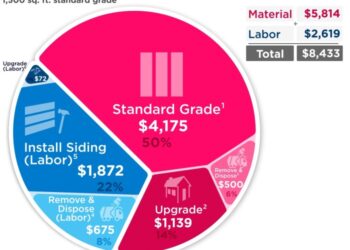
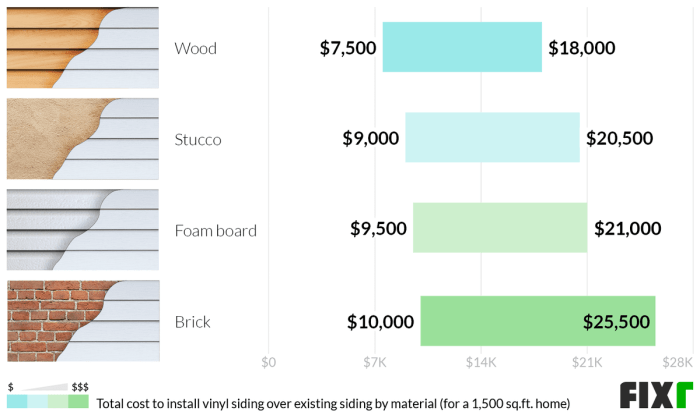
When considering vinyl siding installation costs, there are several factors that can influence the final price. These factors include the size of the home, the type of vinyl siding chosen, the complexity of the installation, and the region where the home is located. On average, the cost of vinyl siding installation ranges from $3 to $7 per square foot.Types of Vinyl Siding and Cost Differences
- Basic Vinyl Siding: The most affordable option, basic vinyl siding typically costs between $1 to $2 per square foot. It offers a simple and clean look, but may lack some of the durability and design options of higher-end options.
- Premium Vinyl Siding: Premium vinyl siding can cost between $2 to $4 per square foot. This type of siding often includes additional features such as enhanced durability, insulation, and a wider range of colors and styles.
- Luxury Vinyl Siding: Luxury vinyl siding is the most expensive option, ranging from $4 to $7 per square foot. It offers the highest quality materials, advanced design options, and increased energy efficiency.
Impact of Vinyl Siding Installation on Home Equity
Installing vinyl siding can significantly increase the overall value of a home by enhancing its curb appeal and providing added protection and insulation. The improved exterior aesthetics can positively impact home equity by creating a more attractive and well-maintained appearance, which can attract potential buyers and increase the resale value of the property.Increased Property Value
- Vinyl siding installation can increase the property value by an estimated 75-85% of the project cost, according to the Vinyl Siding Institute.
- Improved curb appeal can make the home stand out in the neighborhood and attract more potential buyers, leading to a higher selling price.
- Buyers often perceive homes with vinyl siding as low-maintenance and aesthetically pleasing, which can result in a faster sale and higher offers.
Comparison with Other Home Improvement Projects
- Compared to other home improvement projects like kitchen renovations or bathroom upgrades, vinyl siding installation offers a higher return on investment in terms of increasing home equity.
- While interior renovations are important, the exterior appearance of a home plays a crucial role in determining its overall value and marketability.
- Investing in vinyl siding can provide long-term benefits in terms of increased home equity and improved resale value, making it a valuable home improvement project.
Relationship Between Vinyl Siding Cost and Refinancing
 Investing in vinyl siding installation can have a significant impact on the appraisal value of your home during the refinancing process. This can lead to better refinancing terms and potentially save you money in the long run
Impact of Vinyl Siding on Refinancing Terms
- When you invest in high-quality vinyl siding for your home, it not only improves the aesthetic appeal but also enhances the overall value of the property. This increased value can be reflected in the home appraisal during the refinancing process, potentially leading to a higher appraisal value.
- Higher appraisal values can result in lower loan-to-value ratios, which can translate to better refinancing terms, such as lower interest rates or reduced monthly mortgage payments. Lenders are more inclined to offer favorable terms to homeowners with properties that have higher values.
- By considering vinyl siding installation before refinancing your home, you are essentially making a smart investment that can pay off in terms of improved financial benefits. The upfront cost of siding installation can be offset by the long-term savings achieved through better refinancing terms.
Scenario: Financial Benefits of Vinyl Siding Before Refinancing
Imagine a scenario where a homeowner decides to invest in vinyl siding installation for their property before applying for refinancing. The cost of the siding project is $10,000, but it increases the home's appraisal value by $20,000. As a result, the homeowner now qualifies for a lower interest rate of 0.5% on their refinanced mortgage.
- With the lower interest rate, the homeowner saves $100 per month on their mortgage payments, resulting in annual savings of $1,200. Over the course of a 10-year mortgage, this amounts to total savings of $12,000.
- Considering the initial investment of $10,000 in vinyl siding, the homeowner not only recoups the cost but also saves an additional $2,000 over the mortgage term. This showcases the financial benefits of investing in vinyl siding before refinancing.
Closure
In conclusion, the impact of vinyl siding installation costs on home equity and refinancing is undeniable. By considering these crucial factors, homeowners can make informed decisions that not only enhance their property's value but also pave the way for favorable refinancing terms. It's time to take charge of your home's financial landscape with the power of vinyl siding installation.
Query Resolution
What factors influence vinyl siding installation costs?
Vinyl siding installation costs can be influenced by factors such as the quality of materials, labor expenses, and the size of your property. These elements play a significant role in determining the overall cost of the project.
How does vinyl siding installation impact home equity?
Installing vinyl siding can enhance the curb appeal of your home, thereby increasing its overall value. The improved exterior aesthetics contribute positively to your home's equity, making it a worthwhile investment.
Can investing in vinyl siding lead to better refinancing terms?
Yes, investing in vinyl siding can potentially lead to better refinancing terms due to the increased appraisal value of your home. Lenders may view the property more favorably, offering improved terms and conditions for refinancing.