Exploring the art of combining wood siding with vinyl siding in hybrid designs opens up a world of possibilities. This unique blend of materials offers a fresh perspective on traditional construction methods, promising both aesthetic appeal and practicality. Dive into this guide to uncover the secrets of creating stunning hybrid designs that seamlessly merge the warmth of wood with the durability of vinyl.
Introduction
Wood siding and vinyl siding are two popular materials used for exterior cladding in construction. Wood siding is made from natural wood, providing a traditional and timeless look, while vinyl siding is manufactured from PVC or polyvinyl chloride, offering durability and low maintenance. Hybrid designs involve combining different materials in a single project to take advantage of the unique benefits each material offers. When it comes to siding, combining wood and vinyl can result in a beautiful and practical solution that enhances the aesthetic appeal and functionality of a building.Benefits of Combining Wood and Vinyl Siding
- Enhanced Aesthetic Appeal: The combination of wood and vinyl siding can create a visually appealing contrast that adds depth and character to a building's exterior.
- Durability and Low Maintenance: Vinyl siding is known for its durability and resistance to rot, insects, and moisture, while wood siding adds a natural touch. Together, they offer a balance of durability and low maintenance.
- Cost-Effectiveness: By combining wood and vinyl siding, you can achieve the look of wood without the high maintenance and cost associated with traditional wood siding.
- Versatility: Hybrid designs allow for customization and creativity, enabling you to mix and match different textures, colors, and patterns to achieve a unique and personalized look.
Characteristics of Wood Siding
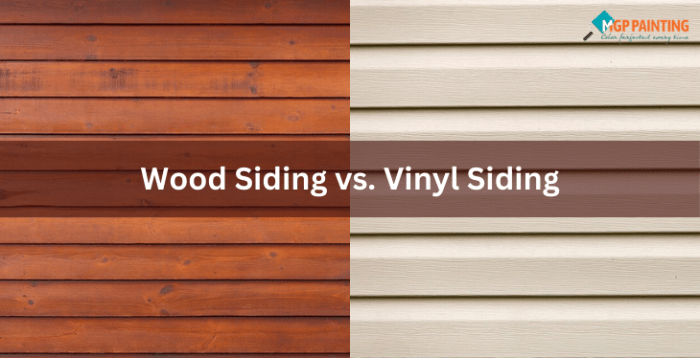 Wood siding is a popular choice for many homeowners due to its natural beauty and timeless appeal. It is known for its warmth and unique texture that can enhance the overall look of a home.
Typical Features of Wood Siding
- Natural appearance that adds charm and character to a home
- Versatile in design, available in various styles such as clapboard, shingles, and board-and-batten
- Durable and long-lasting when properly maintained
- Can be painted or stained to achieve the desired color
Advantages of Using Wood Siding
- Enhances curb appeal and increases property value
- Provides excellent insulation, helping to regulate indoor temperature
- Environmentally friendly and sustainable material
- Easily customizable to suit different architectural styles
Maintenance Requirements of Wood Siding
Wood siding requires regular maintenance to ensure its longevity and appearance. This includes:- Periodic cleaning to remove dirt, mold, and mildew
- Sealing or staining every few years to protect against moisture and UV damage
- Inspecting for any signs of rot or decay and addressing them promptly
- Regularly checking for peeling paint or cracks and repainting as needed
Characteristics of Vinyl Siding
Vinyl siding is a popular choice for exterior cladding due to its unique features and benefits.Typical Features of Vinyl Siding
- Available in a wide range of colors, textures, and styles to suit various architectural designs
- Low maintenance material that does not require painting or staining
- Resistant to rot, moisture, and insect damage
- Lightweight and easy to install
- Cost-effective compared to other siding materials
Advantages of Using Vinyl Siding in Construction
- Excellent durability, with a lifespan of 20-40 years depending on maintenance and climate
- Weather-resistant, able to withstand extreme temperatures, UV rays, and high winds
- Energy-efficient, providing insulation to improve the home's thermal performance
- Versatile and customizable to achieve different aesthetics for homes
Durability and Longevity of Vinyl Siding
Vinyl siding is known for its long-lasting performance, requiring minimal upkeep over the years. With proper installation and maintenance, vinyl siding can withstand the test of time, making it a reliable choice for homeowners looking for a durable and low-maintenance exterior cladding option.Factors to Consider in Hybrid Designs
When combining wood siding and vinyl siding in hybrid designs, there are several factors to consider to ensure a successful and harmonious outcome. Understanding the compatibility of these materials, the aesthetic appeal of mixing different siding types, and the cost implications of hybrid designs can help you make informed decisions for your project.Compatibility of Wood and Vinyl Siding
Wood siding and vinyl siding have different properties and maintenance requirements, so it's essential to consider how well they will work together in a hybrid design. While wood siding offers a natural and timeless look, it requires regular maintenance, such as painting or staining, to preserve its appearance and protect it from the elements. On the other hand, vinyl siding is low maintenance and durable, making it a popular choice for homeowners looking for a hassle-free option. When combining these two materials, ensure that they complement each other in terms of color, texture, and overall aesthetic to create a cohesive design.
Aesthetic Appeal of Combining Different Siding Materials
One of the key advantages of hybrid designs is the opportunity to create a unique and visually appealing exterior for your home. By combining wood siding and vinyl siding, you can play with different textures, colors, and patterns to achieve a customized look that stands out. Mixing these materials can add depth and dimension to your home's facade, creating a dynamic and eye-catching appearance. Whether you choose to contrast or complement the wood and vinyl siding, the combination can enhance the overall curb appeal of your property.
Cost Implications of Hybrid Designs
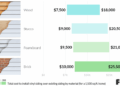
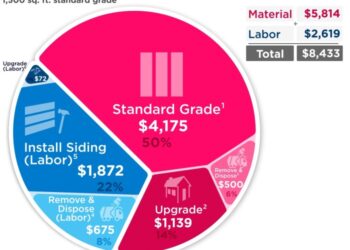
When considering hybrid designs that incorporate both wood siding and vinyl siding, it's essential to factor in the cost implications of using these materials. Wood siding tends to be more expensive upfront due to the higher cost of materials and installation, as well as ongoing maintenance expenses
Installation Techniques
When combining wood and vinyl siding in hybrid designs, it is crucial to follow proper installation techniques to ensure a seamless integration of both materials. Here are some step-by-step guidelines and best practices to consider:
Step-by-Step Installation Process
1. Begin by preparing the surface where the siding will be installed, ensuring it is clean, smooth, and free of any debris.
2. Install the wood siding first, following the manufacturer's instructions and making sure it is properly sealed and painted for protection against the elements.
3. Next, install the vinyl siding, starting from the bottom and working your way up. Make sure to overlap the vinyl panels correctly to prevent moisture from seeping in.
4. Use J-channels and trim pieces where the wood and vinyl siding meet to create a clean and finished look.
5. Finish the installation by checking for any gaps or loose pieces and making any necessary adjustments for a cohesive final appearance.
Best Practices for Seamless Integration
1. Ensure that the transition between the wood and vinyl siding is smooth and visually appealing by using complementary colors or textures.
2. Pay attention to the alignment and spacing of the siding panels to maintain a uniform look throughout the hybrid design.
3. Seal all joints and seams properly to prevent water infiltration and protect the underlying structure from damage.
Special Considerations and Challenges
1. Be mindful of the expansion and contraction rates of wood and vinyl siding to prevent warping or buckling over time.
2. Take extra care when cutting and fitting the siding pieces to ensure a precise and secure installation without compromising the integrity of either material.
Summary
As we wrap up our journey through the best practices for combining wood siding vs vinyl siding in hybrid designs, remember that the key lies in striking the perfect balance between beauty and functionality. By following the insights shared here, you can embark on your own creative ventures in architectural design with confidence and flair.
Key Questions Answered
What are the main advantages of using wood siding?
Wood siding offers a natural, timeless appeal, excellent insulation properties, and can be easily painted or stained to match your desired aesthetic.
Is vinyl siding more durable than wood siding?
Vinyl siding is known for its durability and low maintenance requirements, making it a popular choice for homeowners seeking long-lasting exterior solutions.
How do you ensure a seamless integration of wood and vinyl siding during installation?
To achieve a seamless integration, it's crucial to carefully align the joints and transitions between the two materials, ensuring a cohesive and harmonious look for your hybrid design.