When comparing Vinyl vs Aluminum Windows in terms of recyclability, it's essential to delve into the environmental impact and sustainability of both materials. This exploration will shed light on which material is more eco-friendly and efficient when it comes to recycling.
Vinyl Windows Recyclability
Vinyl windows are known for their recyclability, making them a sustainable option for environmentally-conscious consumers. The process of recycling vinyl windows involves collecting old or used windows, removing any contaminants, grinding them into small pieces, and melting them down to create new vinyl material for various applications.Components of Vinyl Windows That Are Recyclable
- Frame: The vinyl frame of the window is the most recyclable component, as it can be melted down and reused to create new vinyl products.
- Glass: The glass panes in vinyl windows can also be recycled separately, reducing waste and promoting sustainability.
- Hardware: Some hardware components, such as handles and locks, can be recycled through metal recycling facilities.
Environmental Impact of Recycling Vinyl Windows vs. Aluminum Windows
When comparing the environmental impact of recycling vinyl windows versus aluminum windows, vinyl windows have a lower energy consumption during the recycling process. This is because aluminum requires a significant amount of energy to extract and recycle, while vinyl is a more energy-efficient material to recycle. Additionally, recycling vinyl windows helps reduce landfill waste and conserves natural resources, making it a more sustainable choice for window materials.
Aluminum Windows Recyclability
When it comes to recyclability, aluminum windows offer a sustainable option that contributes to environmental conservation. The process of recycling aluminum windows involves several steps that help reduce waste and energy consumption.Recyclable Parts in Aluminum Windows
- Aluminum Frames: The main component of aluminum windows is the frame, which is highly recyclable. Aluminum can be melted down and reused multiple times without losing its quality, making it a valuable material in the recycling industry.
- Glass Panes: While not exclusive to aluminum windows, the glass panes used in these windows can also be recycled. Glass recycling helps reduce the demand for raw materials and minimizes environmental impact.
- Seals and Gaskets: The seals and gaskets in aluminum windows are typically made of rubber or other materials that can also be recycled or repurposed.
Energy Efficiency of Recycling Aluminum Windows
Recycling aluminum requires only 5% of the energy needed to produce new aluminum from raw materials.
- Compared to vinyl windows, recycling aluminum windows is more energy-efficient due to the lower energy consumption in the recycling process. This energy efficiency contributes to reducing greenhouse gas emissions and preserving natural resources.
- By recycling aluminum windows, we can reduce the reliance on mining for new aluminum, which has a significant environmental impact. The recycling of aluminum windows helps close the loop on the material lifecycle and promotes a circular economy.
Environmental Impact
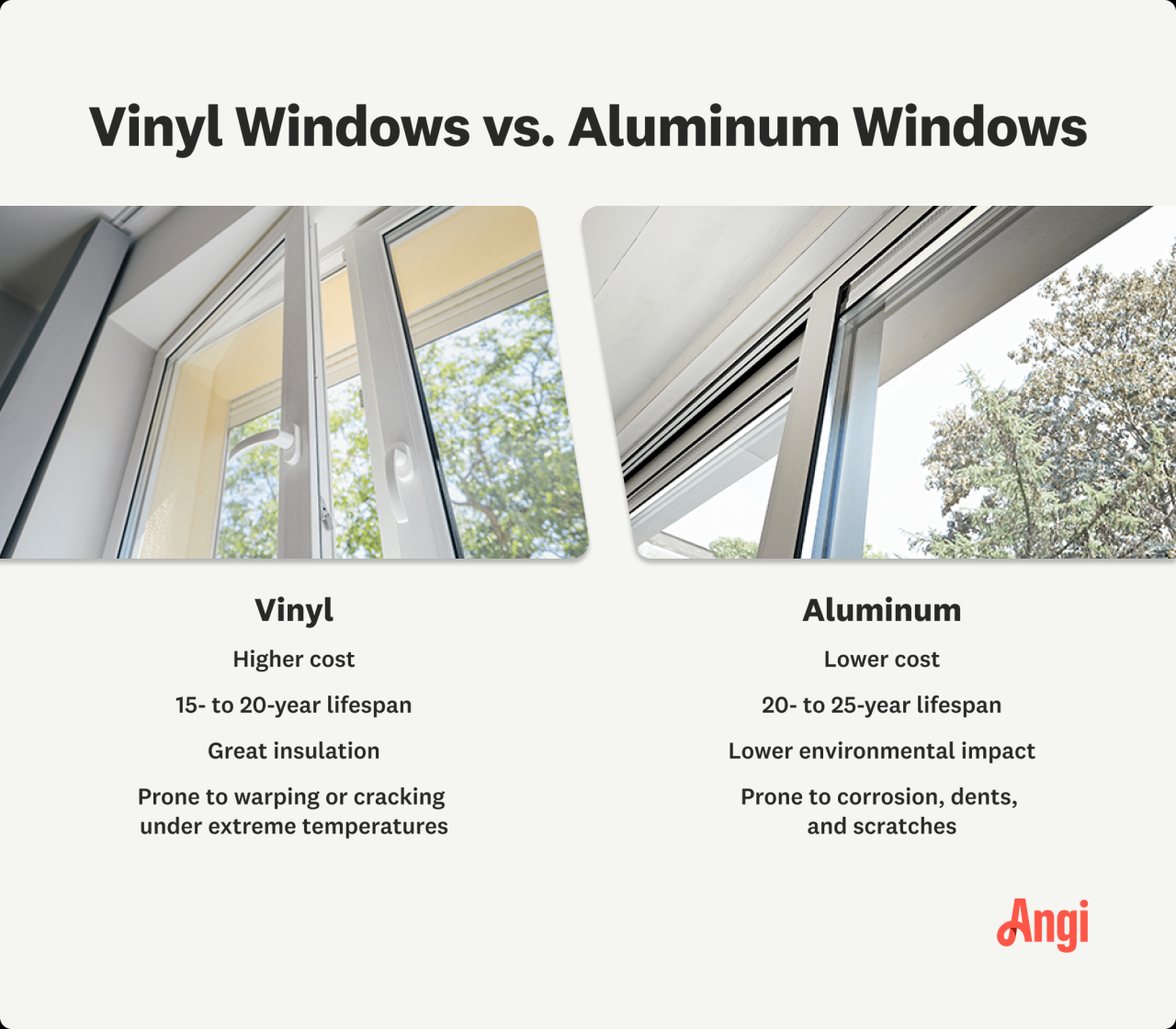 Vinyl windows have a significant environmental impact due to the production process involving the use of fossil fuels and other non-renewable resources. Additionally, the disposal of vinyl windows can contribute to pollution and landfill waste, as they are not easily biodegradable. However, the energy efficiency of vinyl windows can help reduce overall energy consumption in buildings, leading to a positive environmental impact in terms of reducing carbon emissions.
Overall Impact of Aluminum Windows
Aluminum windows have a high environmental impact mainly during the production phase, as the extraction and processing of aluminum require a considerable amount of energy. This results in greenhouse gas emissions and other pollutants being released into the atmosphere. Moreover, the disposal of aluminum windows can also lead to environmental issues, as aluminum is not biodegradable and can take a long time to decompose in landfillsComparison of Sustainability in Recyclability
In terms of recyclability, aluminum windows are more sustainable compared to vinyl windows. Aluminum is highly recyclable and can be repurposed multiple times without losing its quality. This contributes to a reduction in energy consumption and greenhouse gas emissions associated with the production of new aluminum. On the other hand, while vinyl windows can also be recycled, the process is not as efficient as with aluminum, and the quality of the material may degrade over time, limiting its recyclability potential.Recycling Methods
When it comes to recycling methods for vinyl and aluminum windows, there are distinct processes involved in handling each material. Let's delve into the specifics of how these materials are recycled and the techniques used for each.Vinyl Windows Recycling
Vinyl windows are primarily recycled through a process known as mechanical recycling. This involves melting down the vinyl material to create new products, such as pipes, fencing, or even new vinyl windows. The used vinyl windows are collected, cleaned, and then shredded into small pieces. These pieces are then melted and molded into new shapes, reducing waste and minimizing environmental impact.Aluminum Windows Recycling
Aluminum windows, on the other hand, are recycled using a different technique called secondary aluminum production. This process involves melting down the aluminum frames to extract the metal for reuse. The aluminum is then purified and shaped into new products, such as cans, automotive parts, or building materials. Recycling aluminum windows helps conserve energy and resources since it requires significantly less energy to recycle aluminum than to produce it from raw materials.Innovative Recycling Technologies
In recent years, there have been advancements in recycling technologies for both vinyl and aluminum windows. One such innovation is the use of chemical recycling for vinyl windows, which breaks down the material into its molecular components for easier reprocessing. This method allows for a more efficient and sustainable way of recycling vinyl windows. Additionally, advancements in aluminum smelting processes have improved the efficiency of aluminum window recycling, reducing energy consumption and greenhouse gas emissions.Overall, the recycling methods for vinyl and aluminum windows play a crucial role in reducing waste and conserving resources. By choosing recyclable materials and supporting innovative recycling technologies, we can contribute to a more sustainable future for our planet.Closing Summary
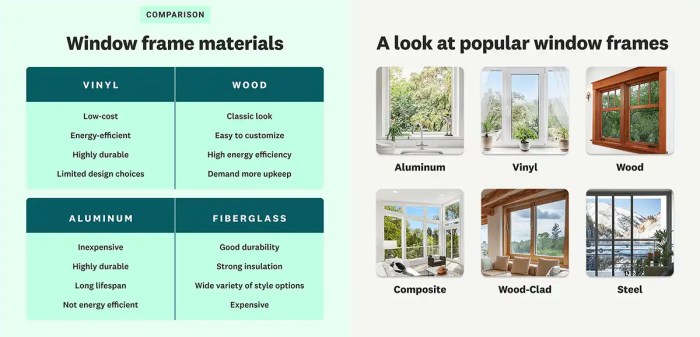
In conclusion, the debate between Vinyl and Aluminum Windows boils down to their recyclability and environmental impact. By understanding the nuances of each material's recycling process, we can make informed decisions that contribute to a greener future.
FAQ Overview
What are the key components of vinyl windows that are recyclable?
The key components of vinyl windows that are recyclable include the frame and sashes, which can be processed and reused in new products.
How does the energy efficiency of recycling aluminum windows compare to vinyl windows?
Recycling aluminum windows requires less energy compared to vinyl windows, making it a more energy-efficient option.
Are there any innovative recycling technologies being used for vinyl and aluminum windows?
Yes, there are innovative recycling technologies such as thermal depolymerization and pyrolysis that are being used to recycle both vinyl and aluminum windows efficiently.